





Overcome Your Dental Anxiety with Oral Sedation at PV Smiles
Oral sedation dentistry at PV Smiles is a safe, effective way to transform your dental experience. We specialize in oral sedation dentistry to make dental appointments relaxed, comfortable, and anxiety-free. With expert care, Dr. Reem Kidess and Dr. Christopher Rhoades ensure optimal oral health without fear or discomfort. With personalized care, expert monitoring, and a focus on safety, we ensure you feel relaxed and confident every step of the way.
- Looking for more information? Read below.
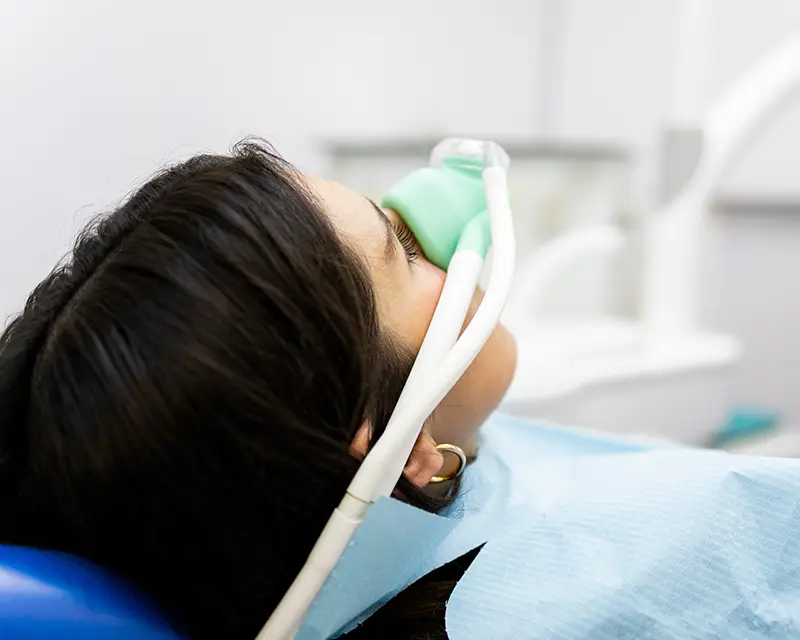
What Is Oral Sedation?
Oral sedation involves taking prescribed medication to feel calm and relaxed during dental procedures. It is administered in pill form, making it a non-invasive and straightforward option for reducing anxiety.
Common oral sedatives include Diazepam, Midazolam, Triazolam, and Lorazepam. The pills are taken an hour before the appointment. The medication induces a state of relaxation while keeping the person conscious and responsive. It allows communication between the client and dentist throughout the procedure.
How Oral Sedation Works
When you choose oral sedation at PV Smiles, you’ll take a sedative pill about an hour before your procedure. The medication will start to take effect, helping you feel relaxed and at ease by the time you arrive at the office. While under oral sedation, you’ll remain awake, but you may feel drowsy and have little memory of the procedure afterward. Because the sedative can impair your ability to drive, you’ll need to arrange for someone to take you home after your appointment.
The Benefits of Oral Sedation Dentistry
- Overcomes Dental Anxiety: Helps patients with dental phobia feel calm and stress-free, making it easier to receive necessary care.
- Enhances Comfort for Complex Procedures: Reduces discomfort during lengthy treatments like dental implants or full-mouth rehabilitation, allowing for a smoother experience.
- Streamlines Appointments: Enables multiple treatments to be completed in a single visit, saving time and minimizing the need for frequent appointments.
- Minimal Side Effects: Medications are well-tolerated, with mild drowsiness that typically subsides within a few hours after treatment.
Common Procedures That Use Oral Sedation
Common dental procedures that use oral sedation are:
- Root Canals
- Dental Implants
- Tooth Extractions
- Dental Fillings
- Veneers or Crowns
- Teeth Whitening
- Cleanings and Examinations

Pre-Procedure Requirements for Oral Sedation
Comprehensive Medical Evaluation:
A thorough review of your medical history, current medications, and allergies is conducted. Our team also evaluates airway abnormalities, jaw mobility, and past experiences with sedation to identify potential contraindications and ensure your safety.
Consultation and Sedation Planning:
Your concerns, dental history, and sedation preferences are discussed in detail. The dentist explains potential side effects, costs, and the procedure timeline. A personalized sedation plan is created to match your comfort level and the complexity of the procedure.
Pre-Sedation Instructions:
- Avoid eating or drinking for a few hours before the appointment to ensure the sedation works effectively.
- Arrange for a trusted individual to accompany you, as driving after sedation is not permitted.
- Notify your dentist of any changes in your health or medications prior to the procedure.
Dosage and Administration of Oral Sedation
The dosage of oral sedation medication depends on age, weight, health, and anxiety level. Benzodiazepines, like diazepam or triazolam, promote relaxation without inducing deep sleep.
Oral sedation takes time to work and should be taken one hour before a dental appointment. Sedation makes you feel deeply relaxed but awake and responsive. You can feel drowsiness but still be able to communicate with the dentist.
How Oral Sedation Works at PV Smiles
- Customized Sedation Plans:
During your consultation, we evaluate your dental history, medical conditions, and anxiety levels to determine if oral sedation suits your needs. The appropriate sedative and dosage are selected to ensure a safe, comfortable, and effective experience. - Safety and Monitoring:
Your safety is our top priority. Throughout the procedure, our team continuously monitors your vital signs using advanced equipment to maintain your comfort and ensure a smooth experience. - Arrival and Initial Assessment:
When you arrive, we’ll review your medical history and confirm your readiness for oral sedation. Baseline vitals, including heart rate, blood pressure, and oxygen levels, are recorded before treatment begins. - During the Procedure:
You’ll feel calm and drowsy while remaining awake and responsive to commands. Our team monitors your response to the sedative and adjusts the plan as needed. Additional numbing agents may be used to prevent discomfort, and vital signs are tracked throughout to ensure your safety.
Post-Sedation Care: What to Expect
- Recovery Period
After your procedure, you may feel drowsy or lightheaded. You’ll rest in a recovery area until the sedative’s effects diminish. It’s essential to have a trusted adult accompany you home, as driving is not permitted until the effects fully subside. - Aftercare Instructions
We provide detailed aftercare guidelines to ensure a smooth recovery. It’s common to feel drowsy for several hours after the procedure. Get rest and avoid driving, operating machinery, or making important decisions for the rest of the day. Drink plenty of water and start with light meals. Avoid alcohol for 24 hours. Follow the dentist’s instructions regarding brushing and flossing. - Follow-Up Support
A follow-up visit is scheduled to assess healing or continue treatment. Our team is always available to provide guidance and reassurance if you have any questions or concerns after your appointment.

Who Can Benefit from Oral Sedation?
- Patients with Dental Anxiety: Helps ease fear and nervousness, making dental visits stress-free and approachable.
- Individuals with Low Pain Tolerance: Provides a more comfortable experience for those sensitive to pain.
- Complex Dental Cases: Ideal for extensive treatments like multiple fillings, root canals, or full-mouth restorations.
- Difficulty Sitting Still: Promotes relaxation for patients who struggle with staying still during long procedures.
Contraindications to Oral Sedation
- Severe Medical Conditions: Alternative sedation methods are recommended for individuals with respiratory diseases, heart conditions, or compromised immune systems.
- Pregnancy: Sedation is avoided unless medically necessary.
- Medication Allergies: Those allergic to benzodiazepines or similar drugs must consider other sedation options.
- Medication Interactions: Some psychiatric medications may interact negatively with oral sedatives.
Safety and Effectiveness of Oral Sedation at PV Smiles
Expert Care You Can Trust:
Dr. Kidess and Dr. Rhoades bring years of expertise in sedation dentistry, prioritizing your safety and comfort. Each sedation plan is customized to your health needs, ensuring a controlled and effective experience. Oral sedation is a proven method for managing dental anxiety, with patients frequently reporting a calm, relaxed visit and minimal side effects.
Side Effects and Risks of Oral Sedation
Common Side Effects:
- Mild drowsiness or grogginess after the procedure
- Dry mouth or slight headache
- Temporary memory loss or amnesia of the procedure
Rare Side Effects:
- Nausea or vomiting, often due to not following pre-sedation instructions
- Allergic reactions to the sedative medication
Minimizing Risks:
- Comprehensive Evaluations: Pre-sedation assessments ensure the right medication and dosage are chosen.
- Continuous Monitoring: Patients’ vital signs are closely observed throughout the procedure to maintain safety.
- Post-Procedure Support: If severe or prolonged side effects occur, such as difficulty breathing or an allergic reaction, seek immediate medical attention. The PV Smiles team is always available to address any concerns and provide guidance.

Costs and Financing Options for Oral Sedation Dentistry
The cost of oral sedation depends on the procedure, location, and the dental office’s expertise. The average cost ranges from $150 to $500 per session, depending on the dosage and duration of sedation. Sedation for complex procedures like implants or full-mouth reconstructions is higher.
Many dental insurance plans cover oral sedation for medically necessary procedures, especially if it alleviates severe dental anxiety. Sedation for elective or cosmetic procedures is not covered.
Comparison with Other Sedation Methods
Oral Sedation vs. Nitrous Oxide
Oral sedation involves taking a pill and has longer side effects. It induces a deeper level of relaxation and is used for lengthy procedures. Nitrous oxide is inhaled through a mask and wears off quickly. It is milder and suitable for minor procedures, allowing patients to resume normal activities sooner.
Oral Sedation vs. IV Sedation
Oral sedation is non-invasive and easy to administer. Its sedation level cannot be adjusted during the procedure, making it suitable for simpler procedures. IV sedation requires inserting a needle into a vein. It allows for precise adjustments during the procedure, making it suitable for deep sedation or highly complex treatments.
Oral Sedation vs. General Anesthesia
Oral sedation keeps patients awake and responsive. It is safer and commonly used in dental offices. Recovery from oral sedation is faster and less intensive. General anesthesia induces a complete unconscious state. It is administered under an anesthesiologist and carries higher risks.
Schedule Your Oral Sedation Consultation in Scottsdale & Paradise Valley, AZ
Oral sedation at PV Smiles combines advanced techniques with a patient-first approach, ensuring a safe, ethical, and effective solution for stress-free dental care. With strict adherence to legal guidelines and a commitment to personalized treatment, we provide the highest standard of care for our patients.
Don’t let dental anxiety stand in the way of your oral health. Contact us to book your appointment. Your journey to anxiety-free dental care starts here.
FAQ's
Oral sedation involves taking a prescribed sedative pill before a dental appointment to help the patient feel relaxed and calm during the procedure.
Yes, oral sedation is generally safe when prescribed and monitored by a trained dental professional. However, patients need to be evaluated for any potential contraindications.
Oral sedatives typically take 30-60 minutes to take effect, so patients need to follow their dentist’s instructions on when to take the medication.
No, patients should not drive or operate heavy machinery after oral sedation, as the effects can last for several hours. Arrangements should be made for transportation home.
Yes, patients remain conscious but deeply relaxed. They may feel drowsy and have little to no memory of the procedure due to the sedative’s amnesic effects.