



Single Tooth Implants
Table of Contents
PV Smiles Before & Afters
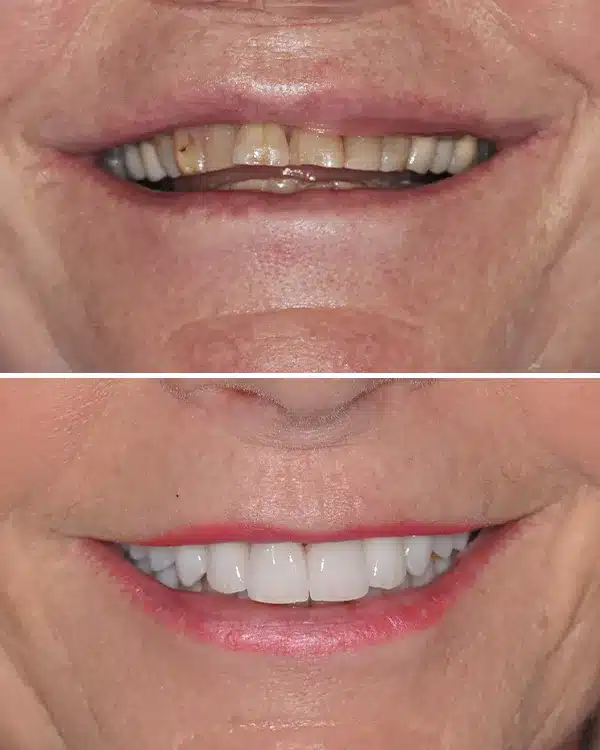
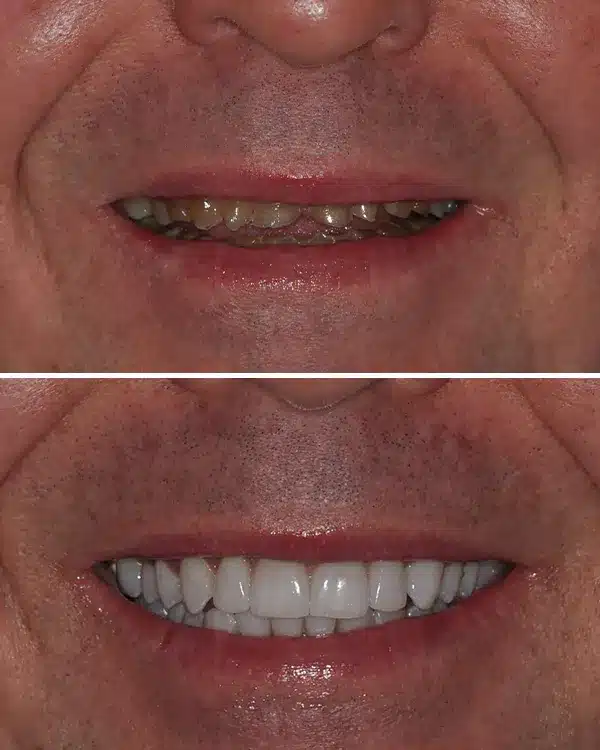
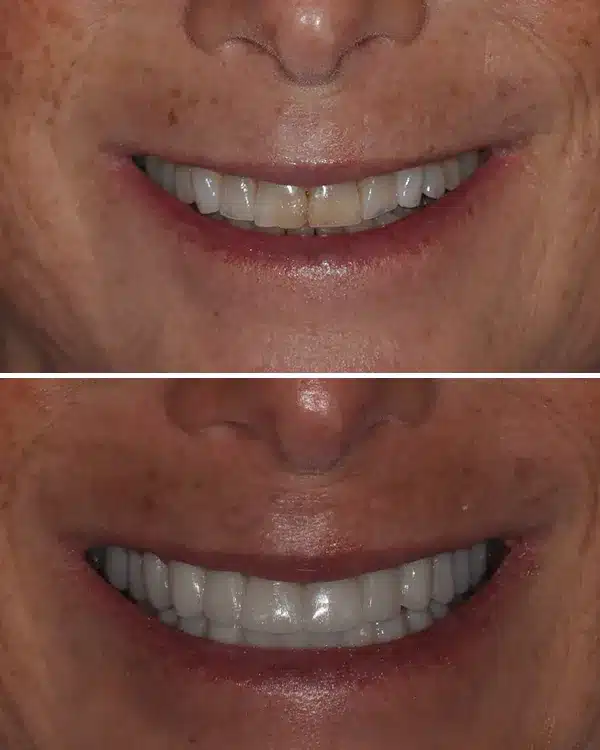
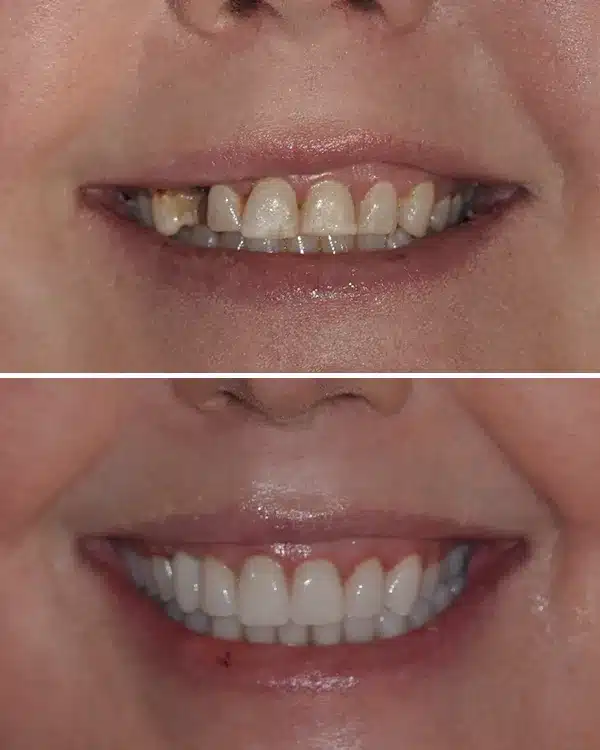
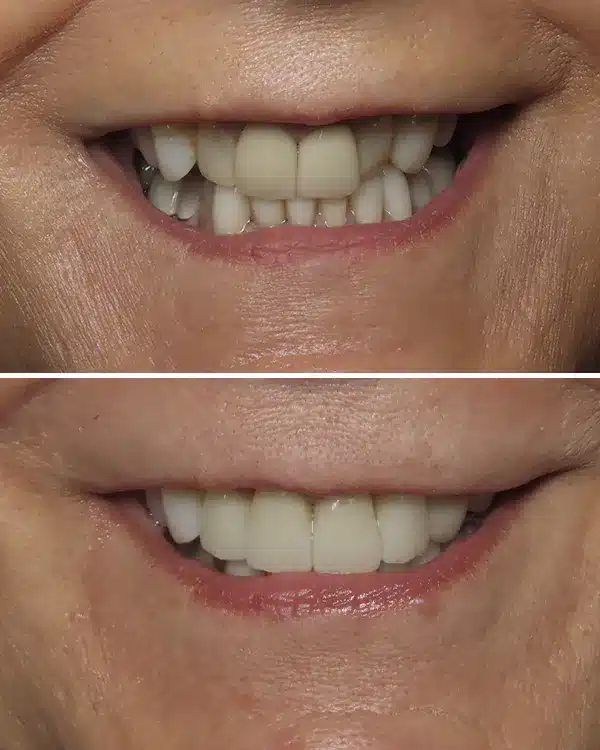
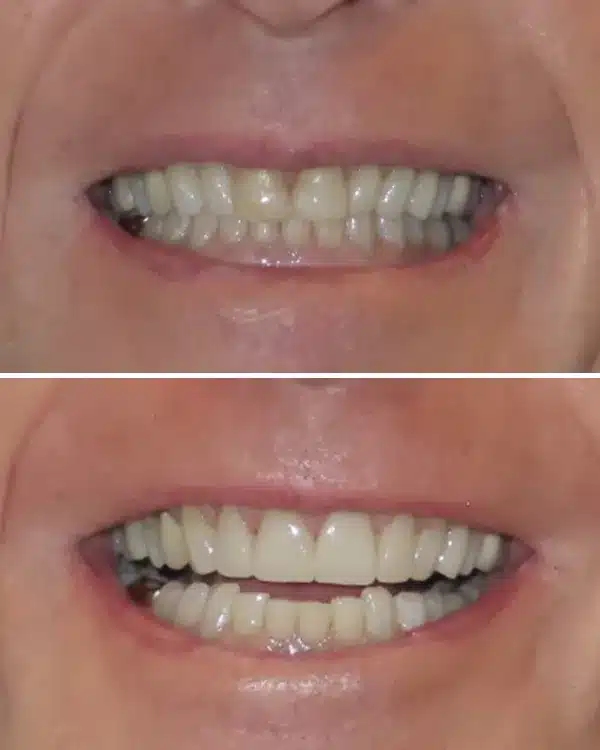
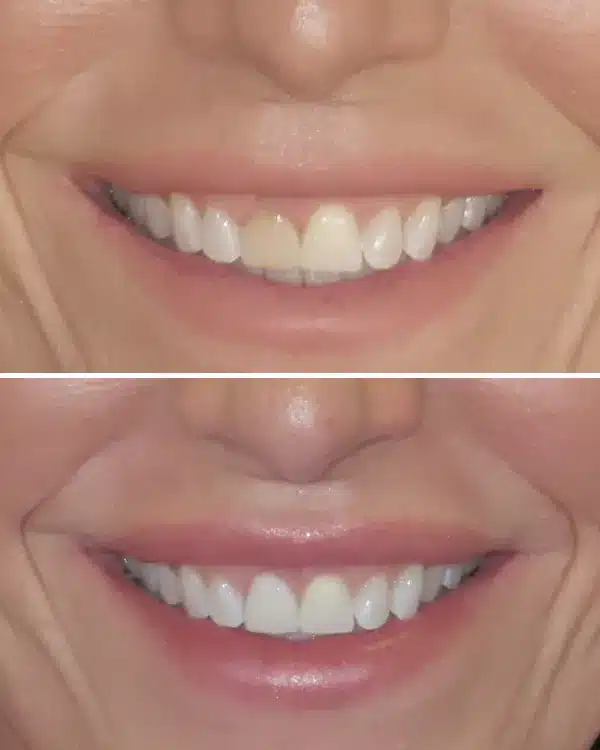
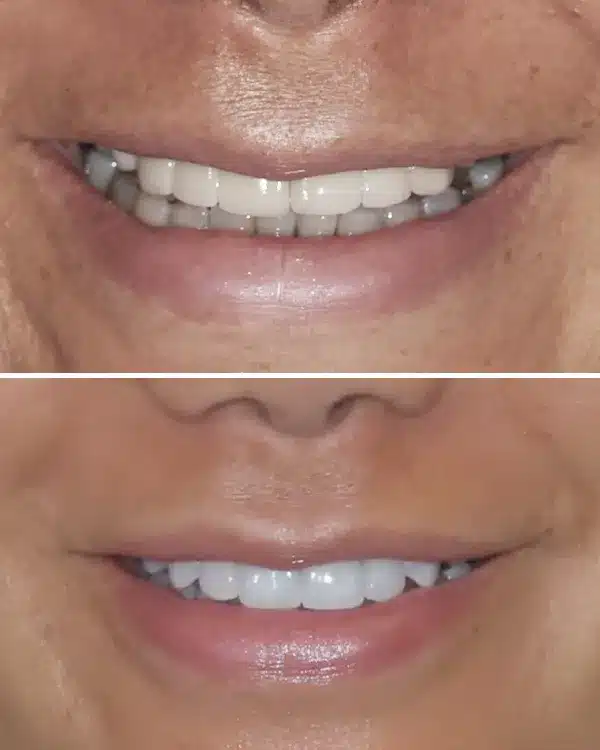
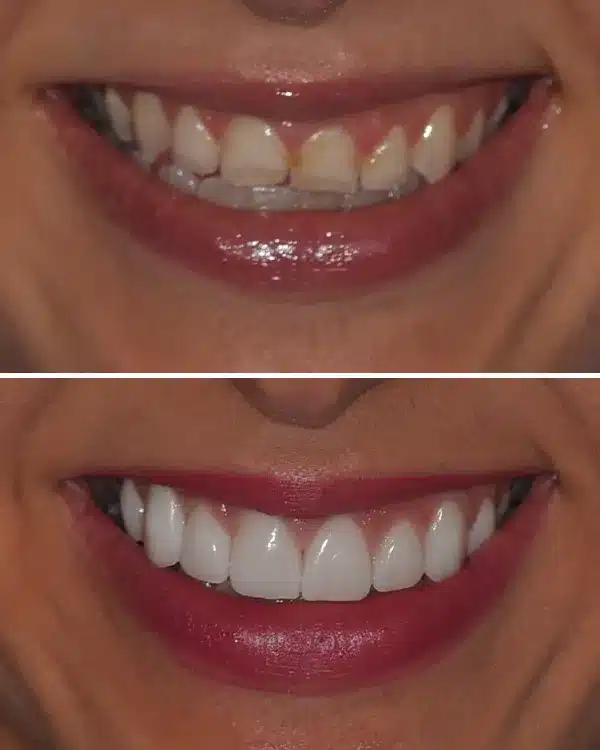
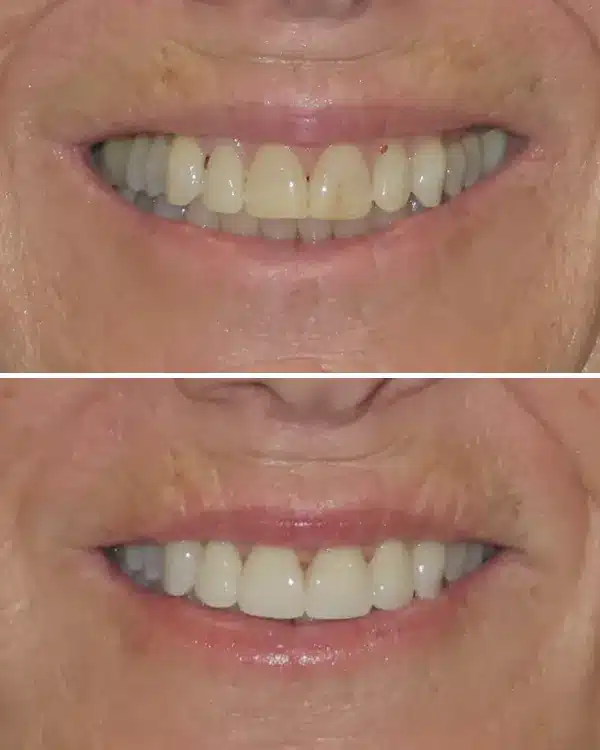
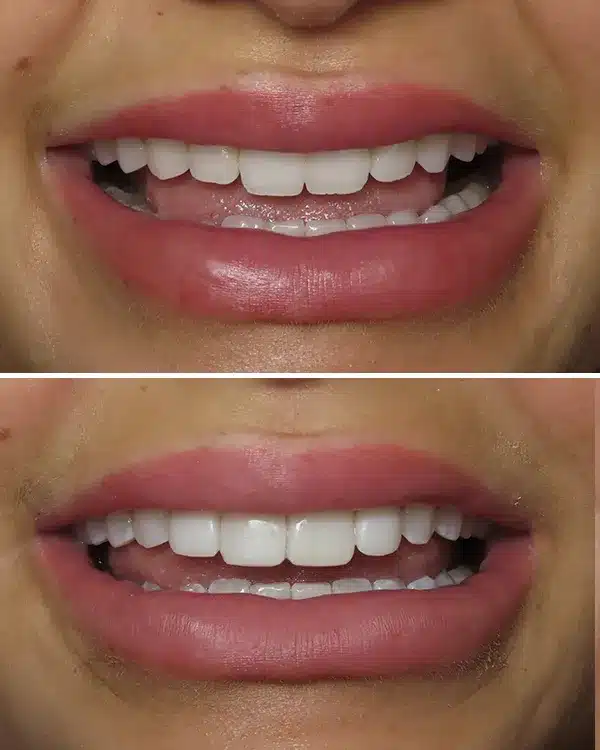
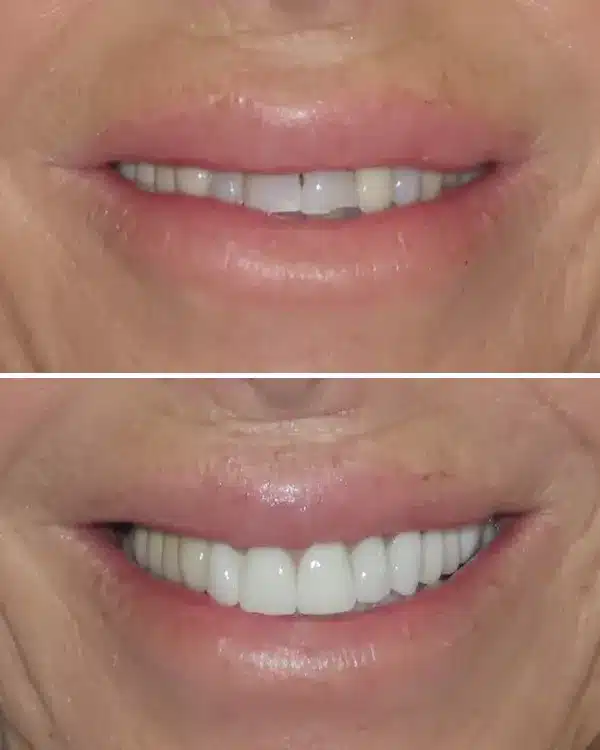
A Permanent Solution for a Confident Smile
Missing a tooth impacts aesthetics and functionality. It affects the ability to chew, speak, or smile with confidence. We specialize in restorative dentistry at PV Smiles, offering single-tooth implants that look and function like natural teeth. Our single-tooth implants in Scottsdale offer clients long-lasting, comfortable results.
- Looking for more information? Read below.
What Are Single-Tooth Dental Implants?
Single-tooth dental implants are permanent, biocompatible replacements for missing teeth that integrate with the jawbone, avoiding the need for support from adjacent teeth. A single-tooth implant consists of:
- Titanium Implant Post: Acts as an artificial tooth root anchored in the jawbone.
- Abutment: Connects the implant post to the custom-made crown.
- Crown: Designed to match the surrounding teeth in size, shape, and color.
The implant fuses with the bone through osseointegration, creating a stable foundation. This process results in a replacement that closely resembles a natural tooth’s look, feel, and function.
Benefits of Single Tooth Implants
- Aesthetic and Functional Restoration
Single-tooth implants replicate the look, feel, and function of a natural tooth, blending seamlessly with surrounding teeth. They restore proper speech, chewing, and biting abilities. - Prevention of Bone Loss
Implants stimulate the jawbone in the area of the missing tooth, preventing bone deterioration and preserving facial structure and oral health. - Longevity and Durability
With proper care, single-tooth implants can last a lifetime, making them a cost-effective, long-term solution. - Improved Oral Health
Unlike bridges, implants don’t rely on adjacent teeth for support, allowing for normal brushing and flossing routines as with natural teeth. - Comfort and Confidence
Implants eliminate discomfort from removable dentures, allowing for secure eating, speaking, and smiling without shifting or slippage.

The Single-Tooth Implant Procedure
The process of getting a single-tooth implant involves several steps:
- Initial Consultation and Planning
During the initial evaluation, X-rays and 3D imaging assess jawbone density. If bone density is insufficient, bone grafting is recommended to strengthen the jaw for implant support. The dentist provides a personalized treatment plan, including cost and timeline. - Bone Grafting and Implant Placement
Bone grafting enhances jawbone density, taking 2-3 months to heal. Once healed, a titanium post is anchored in the jawbone under local anesthesia, with sedation options available for those with anxiety. Over the next 3-6 months, the implant integrates with the jawbone through osseointegration. - Abutment and Crown Placement
After osseointegration, an abutment is attached to the implant to connect it to a custom crown. The crown is designed to match the surrounding teeth in size, shape, and color for a natural look. - Recovery and Aftercare
Recovery involves minimal discomfort, with some temporary swelling or tenderness. Following oral hygiene practices and attending follow-up appointments ensure proper healing and implant success.
Cost of A Tooth Implant in Scottsdale, AZ
A single-tooth implant in Scottsdale typically ranges from $3,000 to $6,000, covering the implant post, abutment, and crown. At PV Smiles, financing and payment plans are available, and we collaborate with insurance providers to help reduce out-of-pocket costs.

Choosing the Ideal Implant Dentist in Scottsdale
At PV Smiles, we combine advanced training in implant dentistry with advanced technology for precise, predictable outcomes.
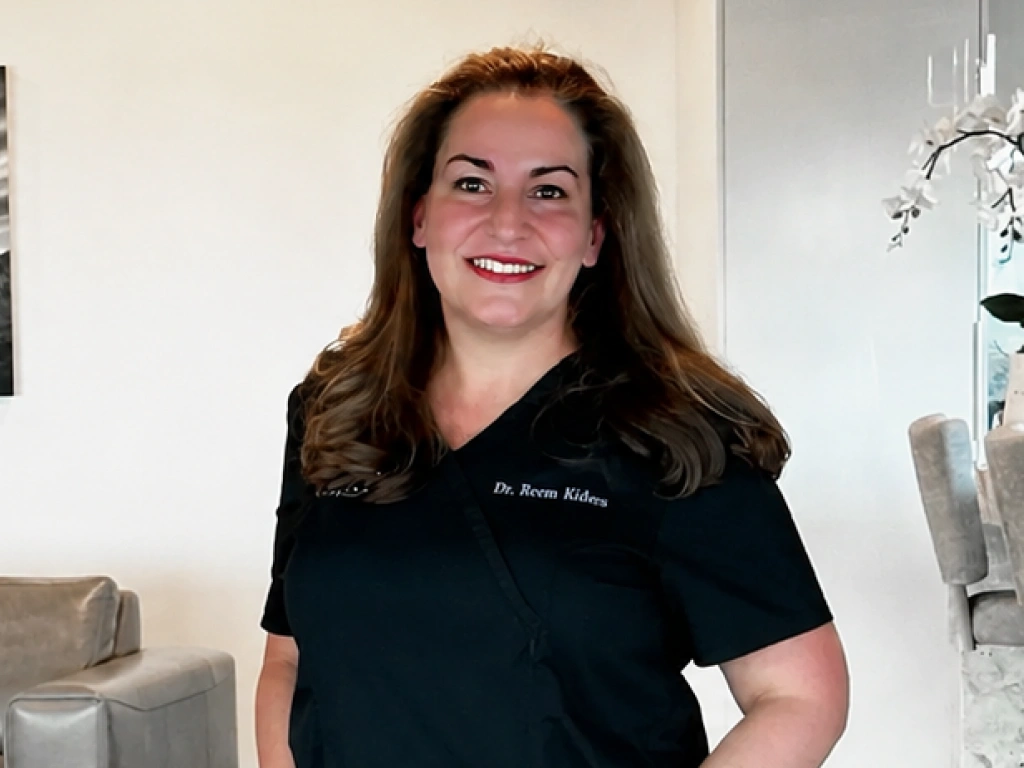
Dr. Reem Kidess specializes in restorative and cosmetic dentistry. We use advanced diagnostic tools, including 3D imaging and computer-guided surgery, to ensure optimal implant placement. Our sedation dentistry services help anxious patients undergo treatment in a comfortable environment.
Materials Used for Single Tooth Implants
- Titanium Implants
Titanium is lightweight yet strong, with excellent bone-fusion properties, creating a stable foundation for the replacement tooth. - Zirconia Implants
Zirconia is a durable, metal-free option for patients with metal allergies. While less flexible than titanium, it is highly biocompatible. - Abutment Materials
Abutments can be made of titanium, zirconia, or a combination. Zirconia abutments are often used in the front of the mouth for a more natural appearance. - Dental Crown Materials
- Porcelain Crowns: Natural-looking, commonly used for front teeth.
- Porcelain-Fused-to-Metal (PFM): Strong and aesthetic, though the metal base may show near the gum line over time.
- Zirconia Crowns: Durable with a tooth-like appearance, suitable for high-strength needs.
Recovery and Aftercare for Single-Tooth Dental Implants
- Immediate Post-Operative Care
Swelling and bruising are common after implant surgery, typically subsiding within a few days. Pain is manageable with over-the-counter medications provided by the dentist. - Diet and Activity Restrictions
Stick to a soft diet initially to reduce pressure on the implant site. Gradually reintroduce harder foods as healing progresses, and avoid strenuous activities during early recovery. - Oral Hygiene
Prevent infection by keeping the implant area clean. Brush and floss carefully, using an antimicrobial mouthwash without disturbing the implant post. - Follow-Up Visits
Follow-up appointments are essential to monitor healing, check for signs of infection, and assess implant integration with the bone. - Long-Term Maintenance
Once fully healed, maintain the implant’s health through consistent oral hygiene and regular dental checkups. With proper care, a dental implant can last a lifetime.
Success Rates of Single Tooth Implants
Single-tooth implants have a success rate of over 95%. Proper oral hygiene and dental visits increase longevity. Avoid smoking, which can compromise the healing process.
Comparison of Implants with Other Tooth Replacement Options
- Dental Implants vs. Bridges
Dental implants replace both the root and crown of a missing tooth, while a bridge is a prosthetic anchored by crowns on adjacent teeth. Implants are a long-term solution and don’t alter surrounding teeth, preserving jawbone health. Bridges, however, may contribute to bone loss at the missing tooth site. - Dental Implants vs. Dentures
Dentures are removable and suitable for multiple missing teeth, but implants are fixed, offering a more natural feel and greater stability. Unlike dentures, implants do not shift, require fewer adjustments, and help maintain jawbone density, preventing bone loss over time. - Cost Considerations
While implants have a higher upfront cost, they provide long-term value due to their durability and minimal upkeep. Bridges and dentures, in contrast, require more frequent replacements or adjustments, leading to higher cumulative costs. - Longevity and Durability
Dental implants can last a lifetime with proper care. In contrast, bridges and dentures generally need replacement every 5-10 years.
Side Effects and Common Problems with Single Tooth Implants
- Post-Surgery Discomfort
Mild swelling, bruising, and pain around the gums and face are common, subsiding within a few days. Light bleeding may occur in the first 24-48 hours but should not be excessive. - Infection
Infection can result from poor oral hygiene or an unclean implant site, indicated by swelling, persistent pain, pus, and fever. Proper care is essential to prevent this. - Implant Failure
Lack of adequate bone density, smoking, or conditions like diabetes can impede bone fusion, causing implant failure. Peri-implantitis from poor hygiene may also lead to failure. - Nerve Damage
Implants placed too close to nerves may cause numbness or tingling in the gums, lips, chin, or tongue. Correct placement is vital to prevent this. - Sinus Problems
Implants in the upper jaw may protrude into the sinus cavity if there is insufficient bone height. A sinus lift or bone graft may be necessary. - Implant Movement or Loosening
Trauma, premature use, or improper integration can cause implant shifting or loosening, requiring replacement. - Gum Recession
Gum tissue around the implant may recede, exposing the implant. Good hygiene and regular dental checkups help prevent this. - Allergic Reactions
Some individuals may have allergies to titanium, experiencing swelling and inflammation. Zirconia implants are an alternative. - Overloading of the Implant
Excessive pressure or premature use can shift the implant. Following post-surgery guidelines helps prevent overloading.
Managing and Preventing Complications with Single Tooth Implants
- Choose an Experienced Dentist
Select a skilled dentist specializing in implants to reduce risks like nerve damage and incorrect placement. - Maintain Good Oral Hygiene and Avoid Smoking
Daily brushing, flossing, and using dentist-recommended tools help prevent infection and gum disease. Avoid smoking to support healing. - Monitor Symptoms
Watch for signs of complications such as excessive pain, swelling, or infection, and contact your dentist if they occur. - Follow Post-Op Instructions and Attend Dental Checkups
Adhere to aftercare guidelines, including taking medications and avoiding hard foods. Regular checkups allow dentists to monitor implant health, checking for infection, bone loss, or gum recession.
Dental Implant Maintenance and Longevity
With proper care, dental implants can last a lifetime. Good oral hygiene, including brushing and flossing daily, prevents gum disease. Dental checkups also ensure the implant’s health and that of surrounding bone and tissue.
Take the First Step Toward a Radiant Smile with Single-Tooth Implants in Scottsdale, AZ
At PV Smiles, we are committed to providing exceptional care tailored to your needs. We offer expert guidance and personalized care for the best possible results. Schedule a consultation to learn more about how single-tooth implants can enhance your smile and quality of life.
FAQ's
The implant process, healing time, and crown placement take 3 to 6 months.
The procedure is performed under local anesthesia.
Individuals with good oral health, adequate jawbone density, and no underlying health conditions.
Regularly brush, floss, and schedule dental checkups
Individuals can return to normal eating and physical routine after 7-10 days.
Smile Design
Transform your smile with expert care, from personalized consultations to complete smile makeovers. At PV Smiles, we specialize in creating stunning, confident smiles without the need for outside referrals – your perfect smile is our priority
Related Services