





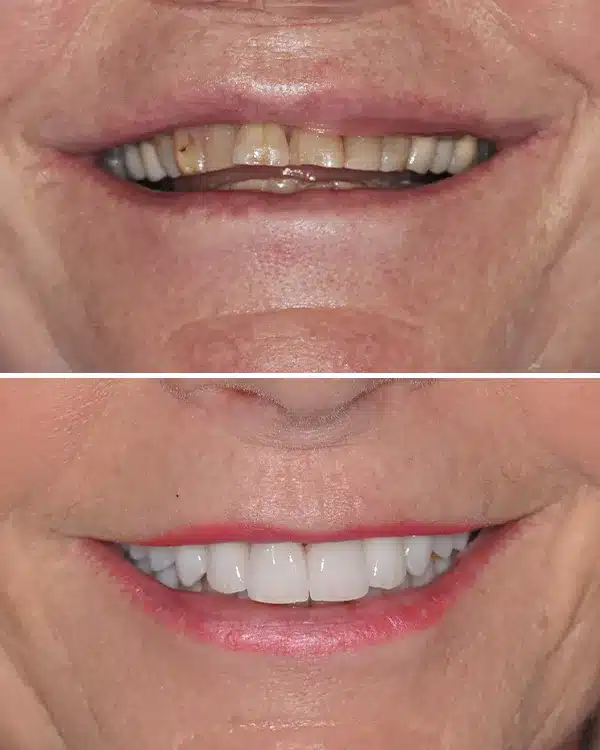
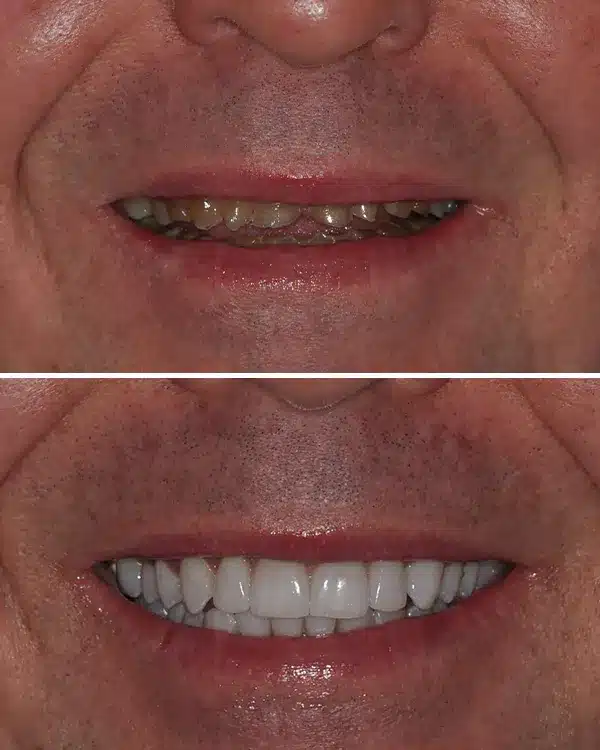
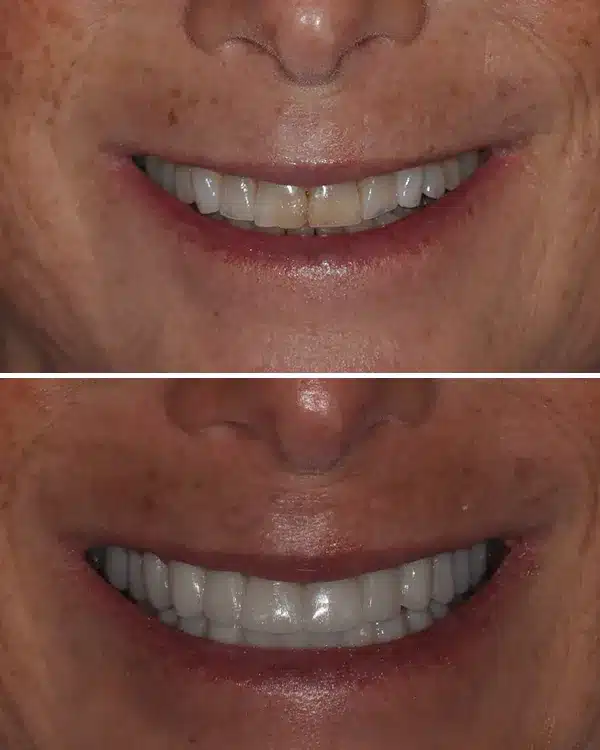
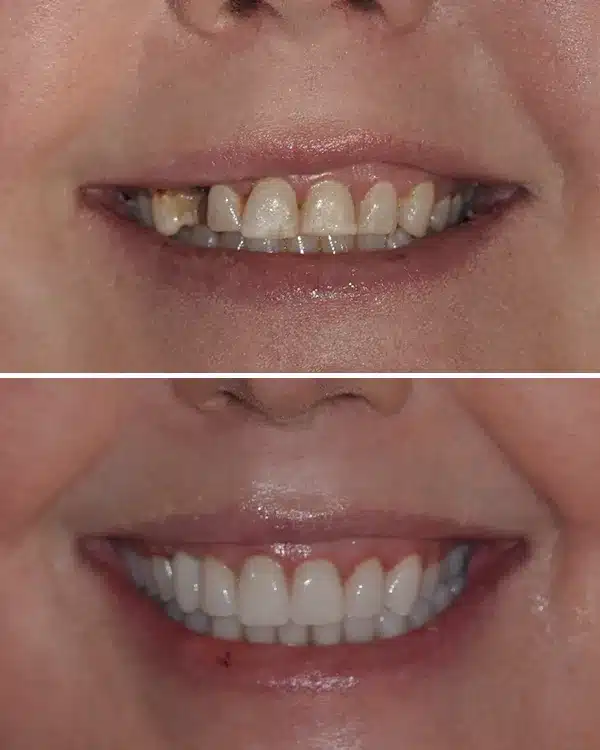
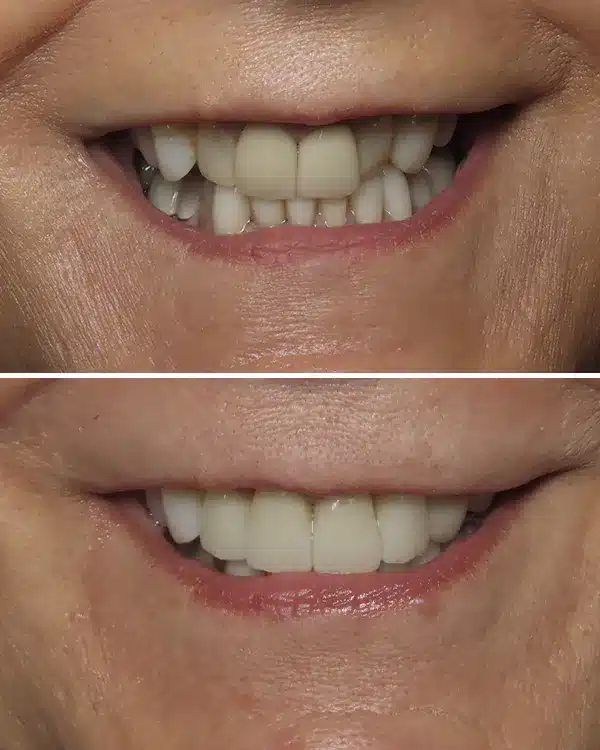
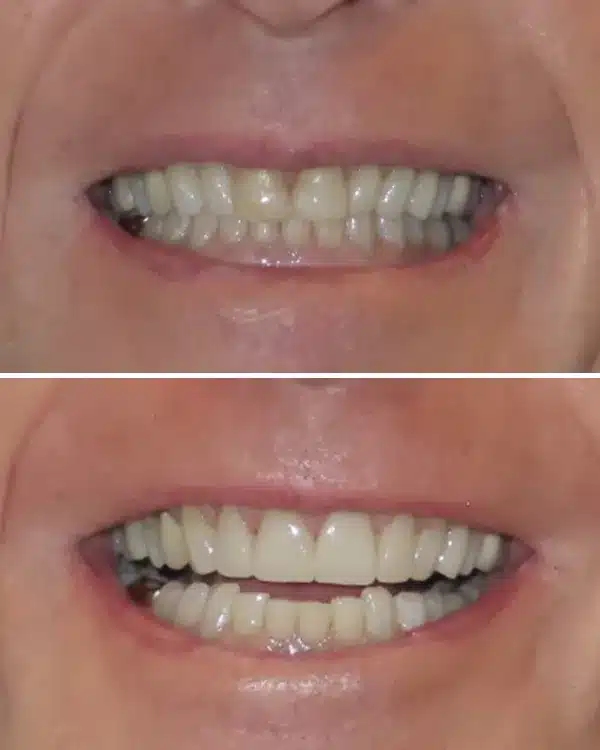
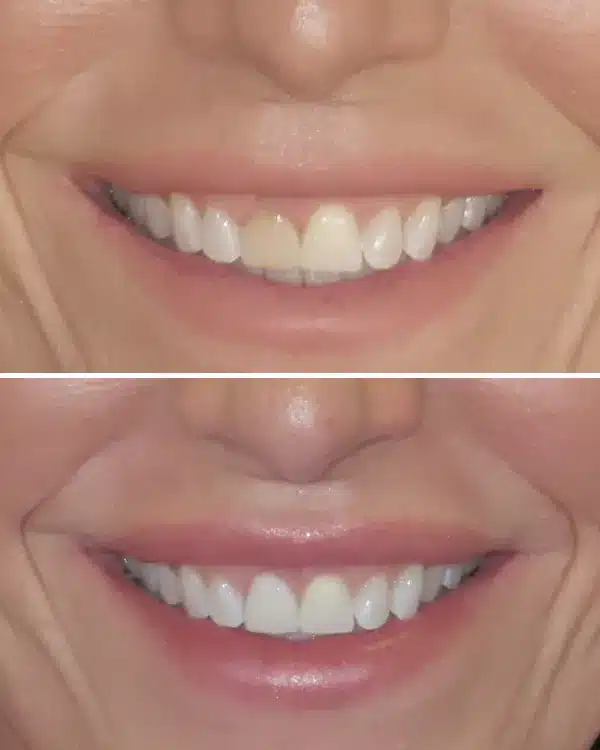
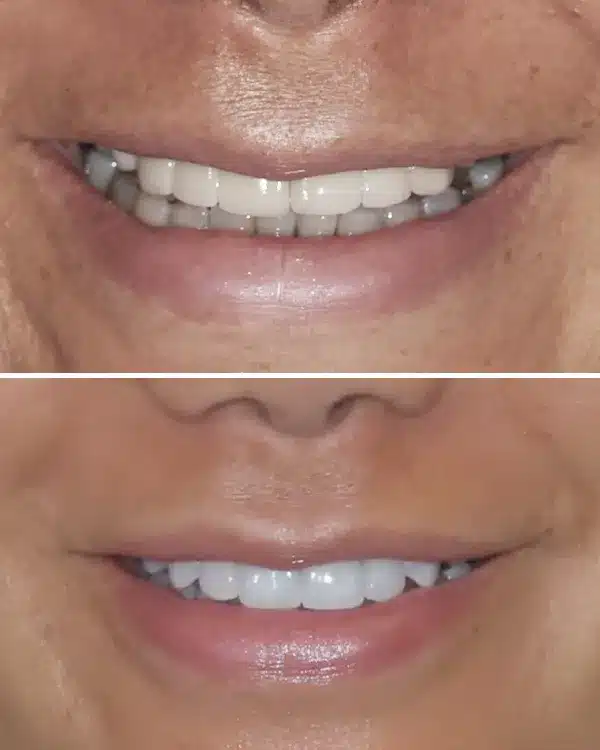
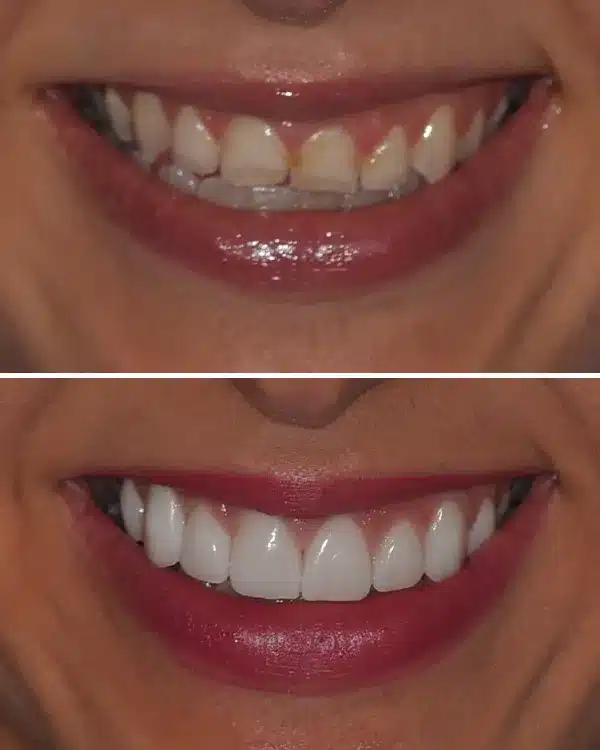
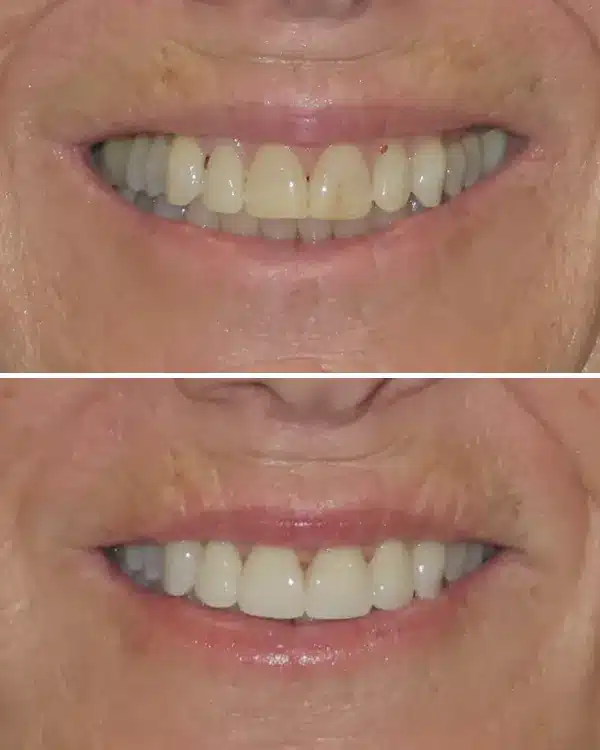
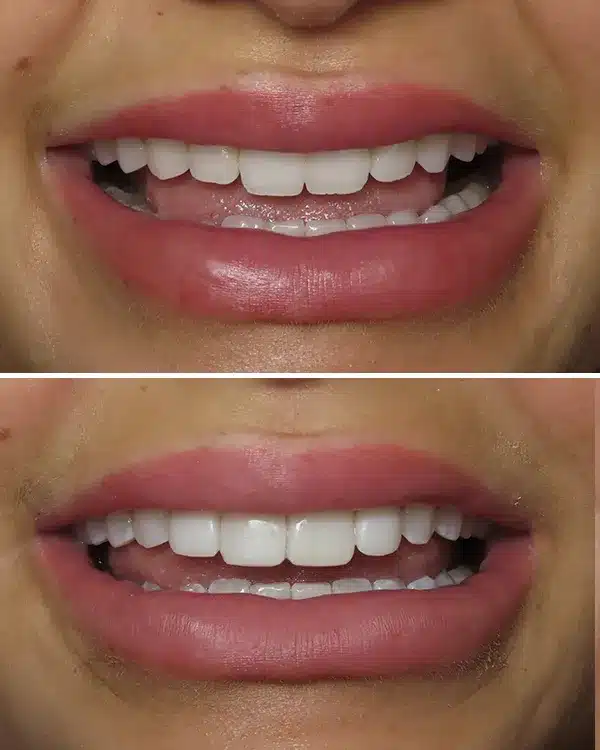
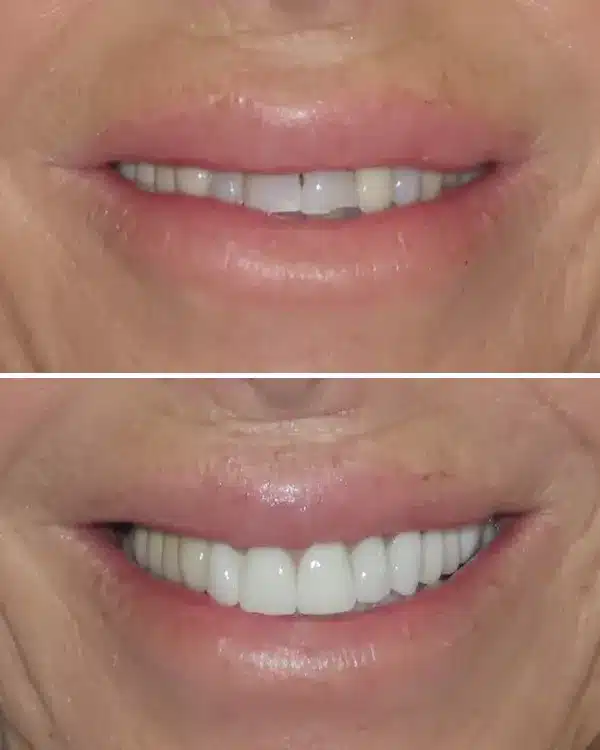
What are Composite Fillings?
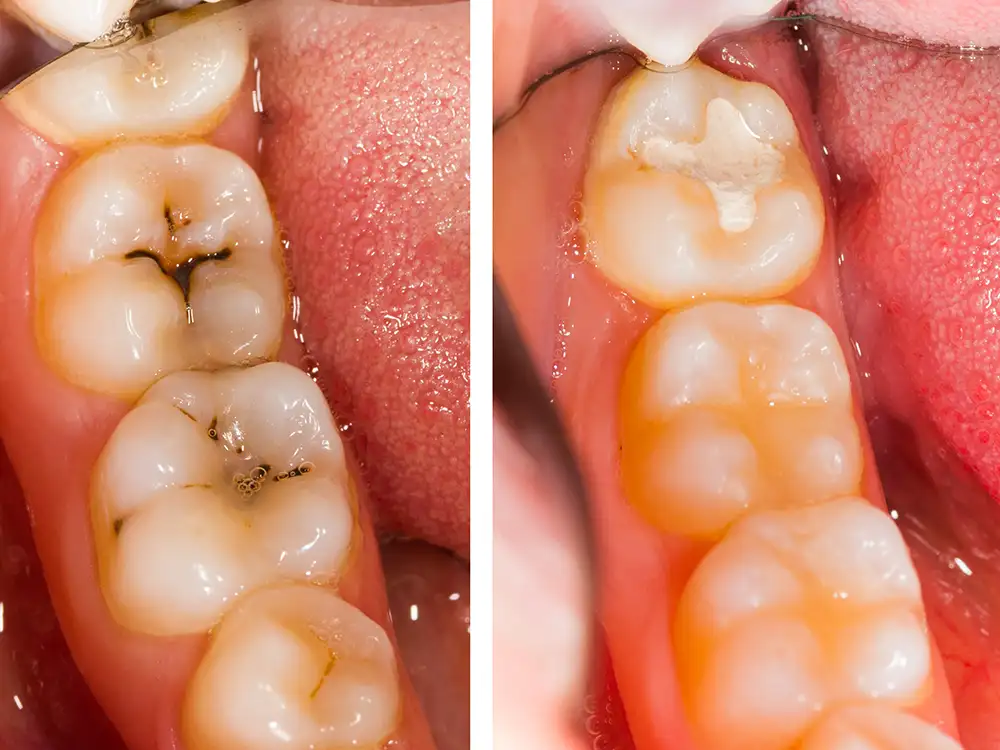
Composite fillings are a modern, aesthetically pleasing option for dental restorations. Made from a blend of fine glass and plastic particles, these fillings are designed to match the natural color of your teeth, making them virtually indistinguishable from your natural smile. This makes composite fillings an excellent choice for anyone seeking a natural-looking alternative to traditional metal fillings.
- Looking for more information? Read below.
Why Choose Composite Fillings?
Composite fillings offer numerous advantages, making them a preferred choice for dental patients. Here’s why they stand out:
- Aesthetic Appeal: Composite fillings blend seamlessly with your natural teeth, ensuring a discreet and attractive restoration.
- Durability: Composite materials bond directly to the tooth structure, providing strength and resistance to fractures in small—to medium-sized restorations.
- Versatility: These fillings are suitable for repairing cavities and can be used to fix chipped, cracked, or broken teeth.
- Conservative Treatment: The bonding process allows for more conservative preparation, preserving more of your natural tooth structure.
- Quick and Convenient: Composite fillings are typically placed in a single visit, making them a convenient option for busy patients.
The Composite Fillings Process
The procedure for placing composite fillings is straightforward and typically completed in one visit:
- Preparation: The dentist will remove the decayed portion of the tooth and clean the area.
- Application: The composite material is applied in layers, each cured using a special light.
- Shaping: Once the filling is in place, the dentist will shape and polish it to match the contour of your tooth, ensuring a comfortable bite and a natural look.

Who Is an Ideal Candidate for Composite Fillings?
Composite fillings are an excellent choice for most patients, but they are particularly ideal for those who:
- Prefer a natural-looking restoration that blends with their existing teeth.
- Have small to mid-sized cavities that require filling.
- Need a solution for chipped, cracked, or worn teeth.
- Are you looking for a mercury-free and metal-free option?
The Benefits of Composite Fillings
Composite fillings offer several benefits that go beyond just aesthetics:
- Natural Appearance: The tooth-colored material closely matches the shade of your teeth, making the filling almost invisible.
- Strength and Support: Composite fillings bond directly to the tooth, providing additional strength and reducing the risk of further decay.
- Preservation of Tooth Structure: Placing composite fillings is minimally invasive, meaning more of your natural tooth is preserved.
- Versatile Applications: Composite fillings can be used for small cavities or minor cosmetic repairs in various situations.
- Single-Visit Convenience: Most composite fillings can be completed in just one appointment, saving you time and effort.

Potential Disadvantages of Composite Fillings
While composite fillings have many benefits, it’s important to be aware of potential drawbacks:
- Less Durable Than Amalgam: Composite fillings may not last as long as amalgam fillings, particularly in areas with heavy chewing pressure.
- Higher Cost: Composite fillings are generally more expensive than traditional metal fillings.
- Time-Consuming Placement: The process of placing composite fillings is more intricate. It requires the tooth to be kept dry and composite layers to be carefully applied and cured.
- Potential Shrinkage: Composite fillings can shrink slightly during curing, which may lead to gaps and potential secondary cavities.
- Susceptibility to Staining: Over time, composite fillings can become stained by coffee, tea, wine, and other substances.
Long-Term Care and Maintenance
Composite fillings are durable and can last many years with proper care. To extend the life of your fillings:
- Practice good oral hygiene, including regular brushing and flossing.
- Avoid biting on hard objects like ice or pens.
- Visit your dentist regularly for check-ups and cleanings.
Schedule Your Composite Fillings Consultation Today
Don’t let tooth decay or damage hold you back from your best smile. At PV Smiles, our expert cosmetic dentists are here to guide you through the process and help you achieve a radiant, confident smile. Contact us today to schedule your consultation and learn how composite fillings can benefit your dental health.
FAQ's
There are several types of dental fillings, including composite (tooth-colored) fillings, amalgam (silver) fillings, gold fillings, ceramic fillings, and glass ionomer fillings. Each type has its own advantages and disadvantages in terms of durability, appearance, and cost.
The lifespan of dental fillings varies depending on the material used and the location in the mouth. Amalgam fillings can last 10-15 years or longer, while composite fillings typically last 5-7 years. Regular dental check-ups can help ensure fillings are in good condition.
The process of getting a dental filling typically involves local anesthesia to numb the area, so you shouldn’t feel pain during the procedure. Some discomfort or sensitivity may occur after the anesthesia wears off, but it usually subsides within a few days.
You may need a dental filling if you have a cavity, a cracked or broken tooth, or if an old filling needs to be replaced. Common signs include toothache, sensitivity to hot or cold, visible holes or dark spots on your teeth, and discomfort when biting or chewing.
Care for your dental fillings by maintaining good oral hygiene, including brushing twice a day, flossing daily, and visiting your dentist regularly for check-ups and cleanings. Avoid chewing on hard objects, such as ice or pens, to prevent damaging your fillings.