




Dental Bonding
Table of Contents
PV Smiles Before & Afters
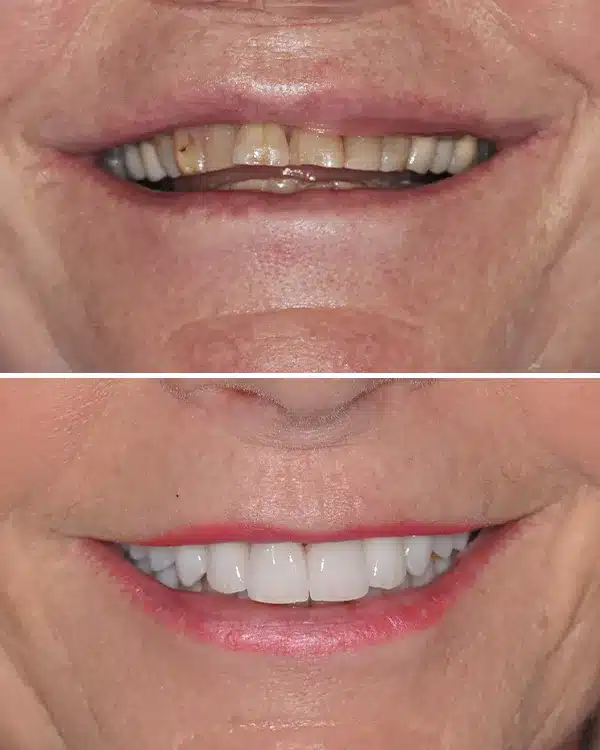
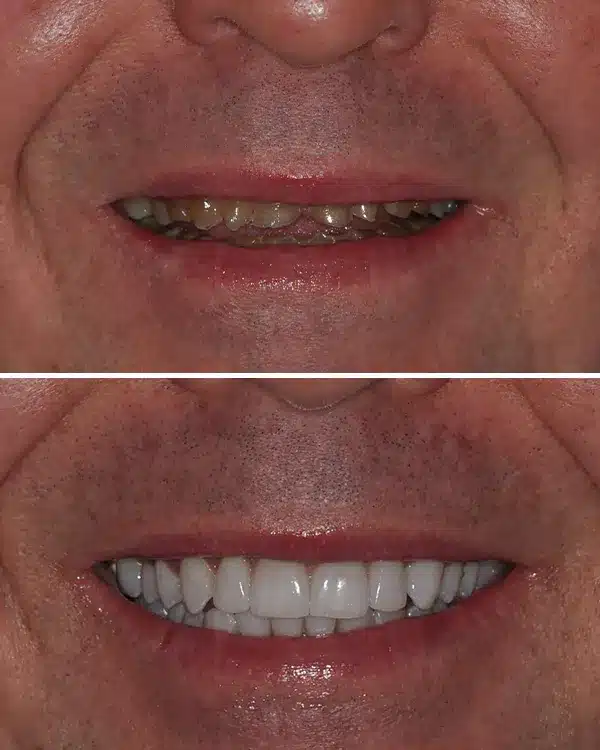
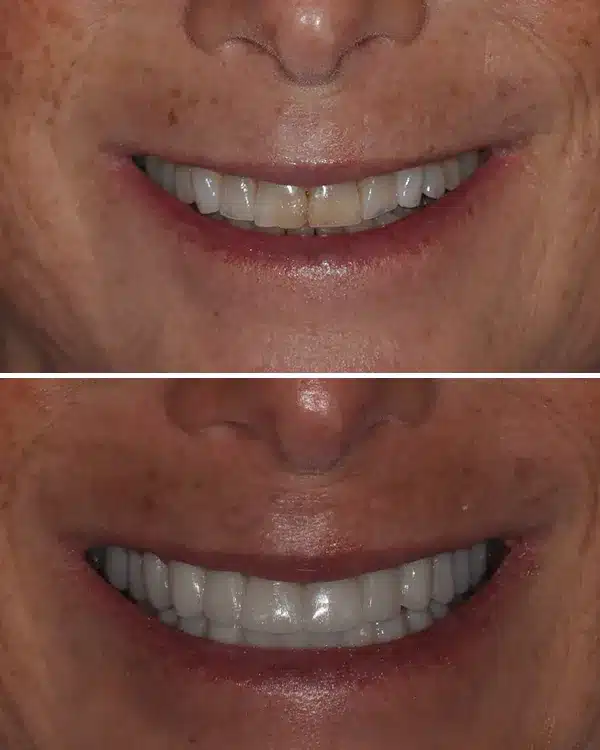
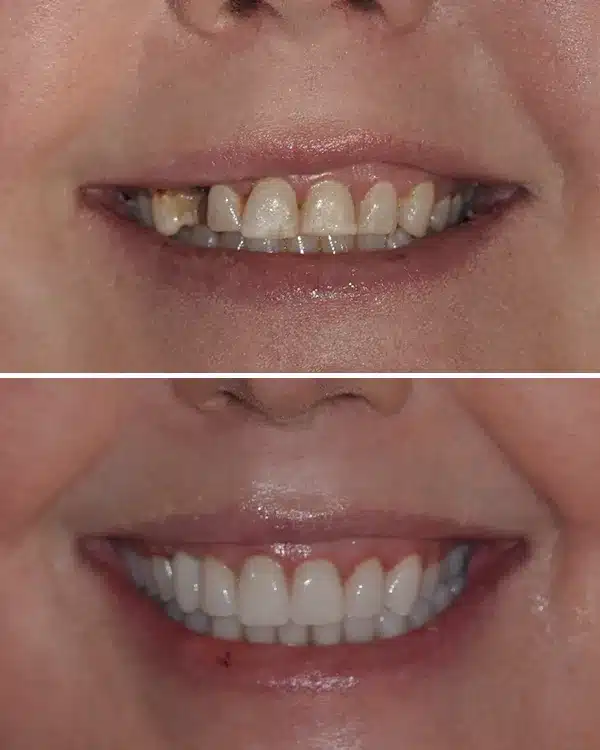
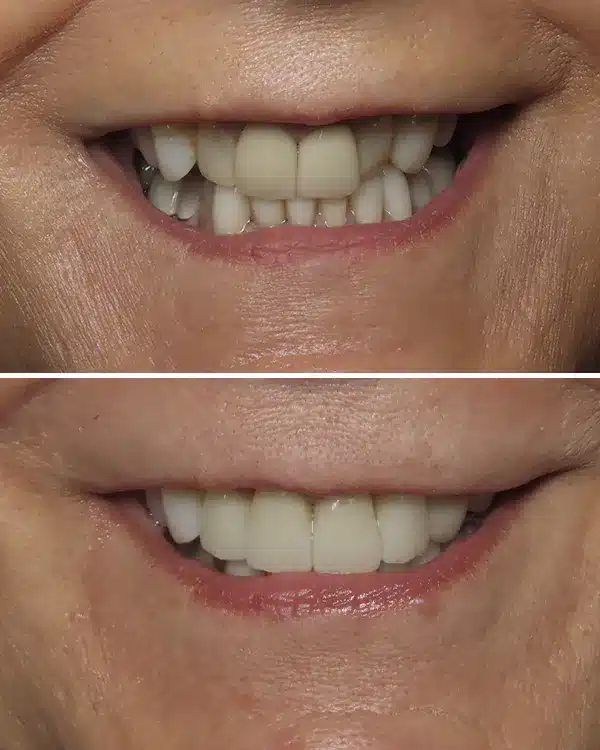
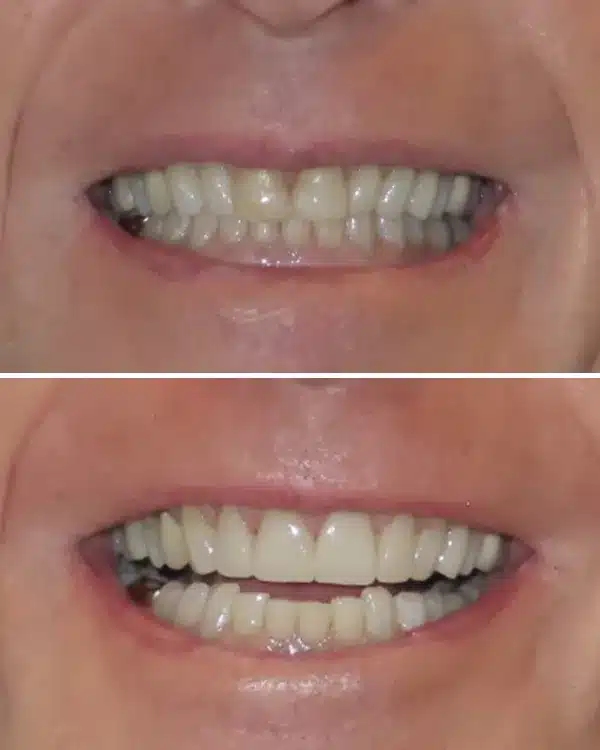
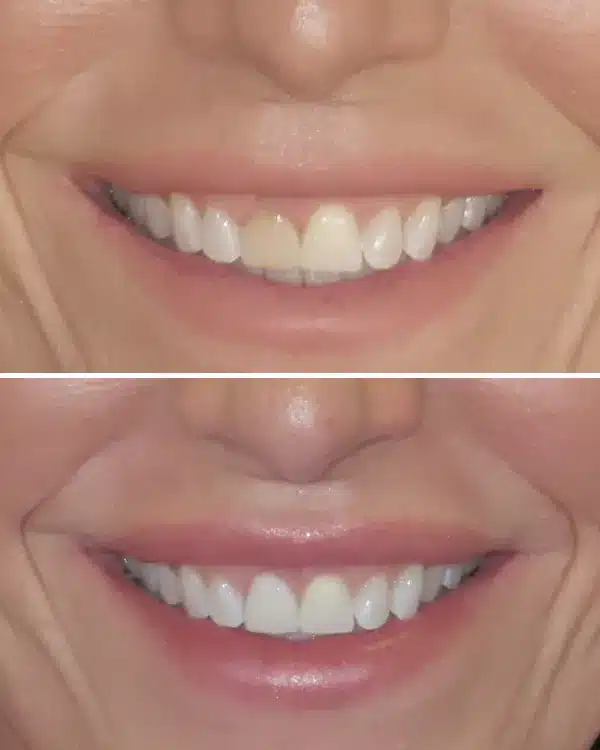
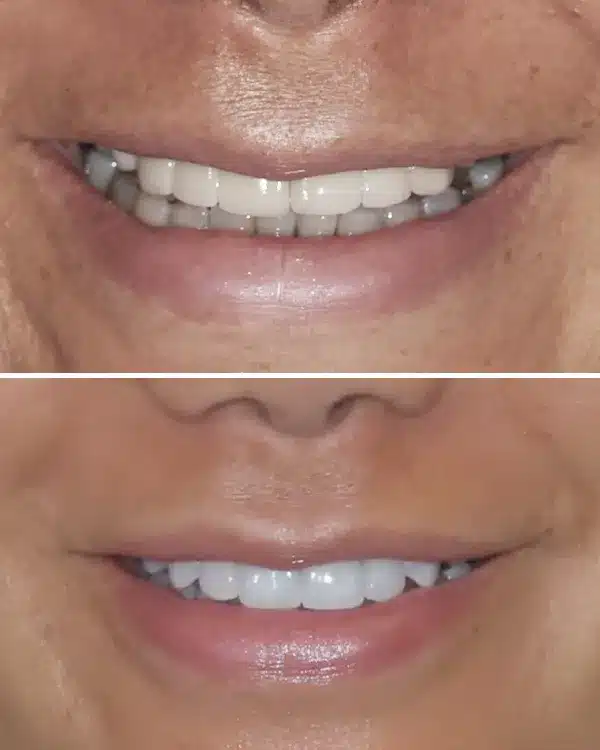
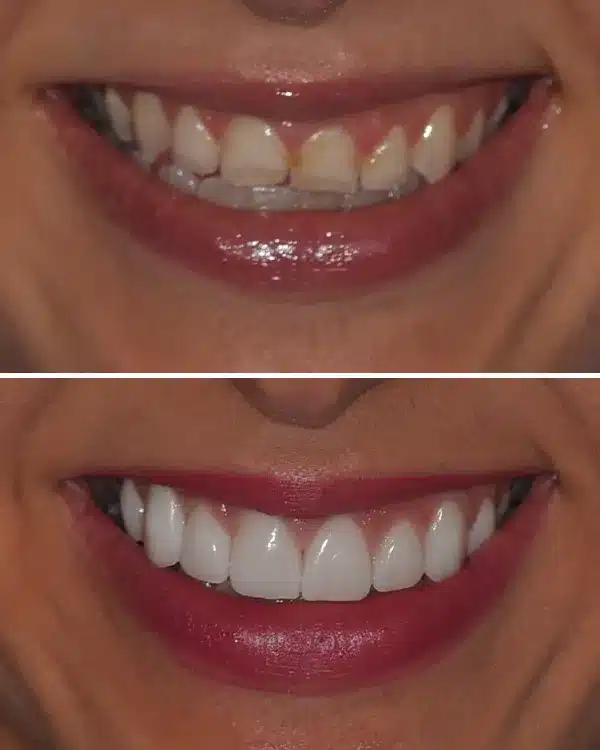
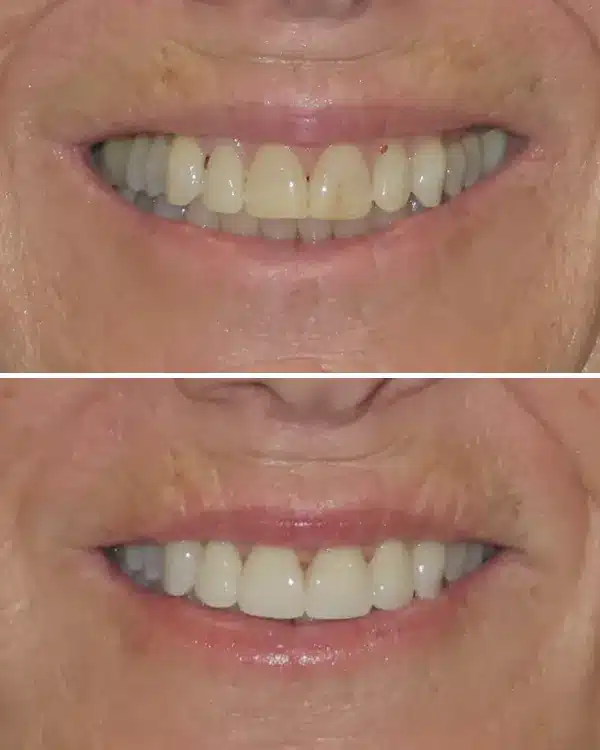
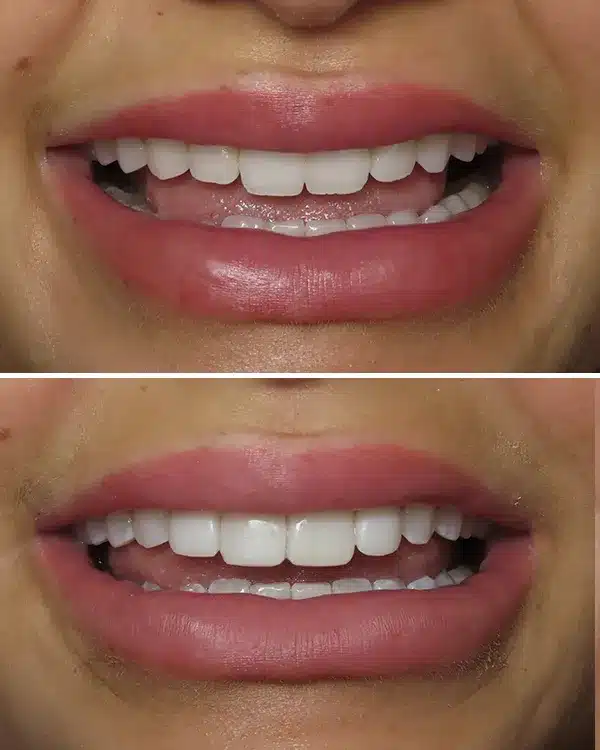
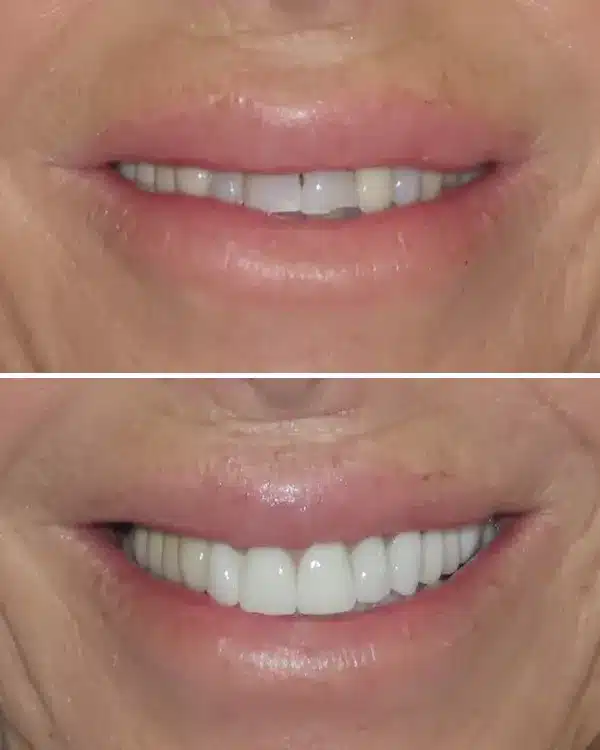
Cosmetic Dental Bonding in Scottsdale, AZ
PV Smiles specializes in transforming smiles with cosmetic dental treatments. Our dental bonding is a versatile and cost-effective solution for chipped, cracked, or discolored teeth. Cosmetic bonding is a simple and minimally invasive option. It enhances the smile and addresses functional issues.
Dr. Reem Kidess offer the latest dental bonding technology. With decades of experience, they have helped clients achieve their dream smiles, offering cosmetic procedures such as veneers, composite fillings, teeth whitening, and crowns. Every client receives the most suitable treatment. PV Smiles is committed to restoring the appearance and function of your teeth so you can confidently smile.
- Looking for more information? Read below.
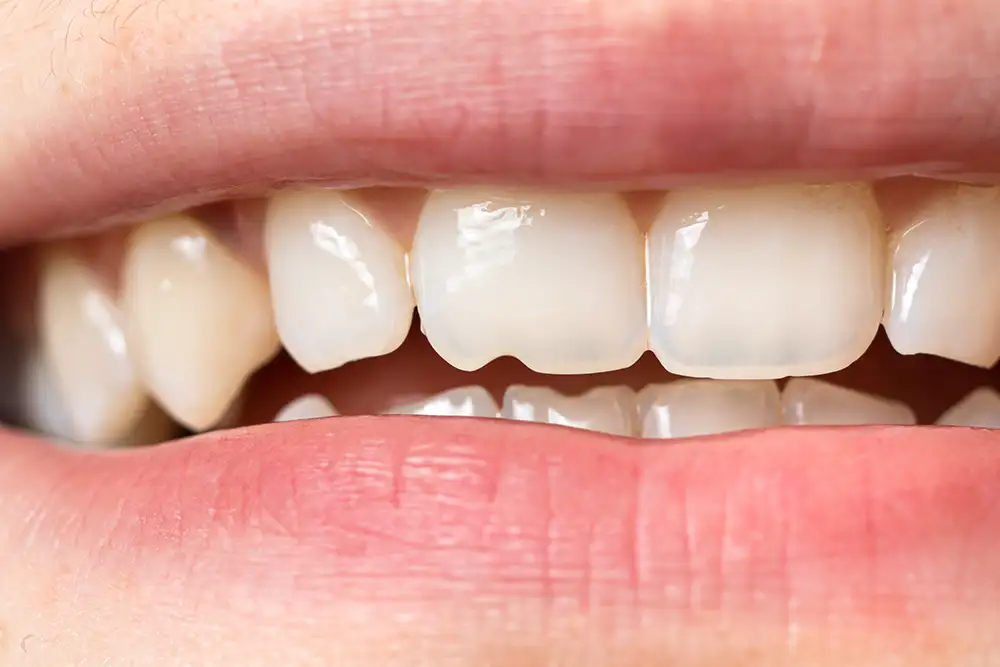
What is Dental Bonding?
Cosmetic dental bonding involves applying a tooth-colored resin to the surface of a tooth. This resin is sculpted and polished to restore or improve a smile. Bonding is ideal for minor imperfections such as small chips, cracks, gaps, and discoloration. It can also fill cavities and reshape teeth.
Bonding does not alter the tooth structure. It is preferred for individuals who want a quick, pain-free solution. It requires less preparation, time, and visits. It is affordable and offers cosmetic improvements without breaking the bank.
Types of Dental Bonding
Direct Composite Bonding
Direct bonding is used to fill small cavities, fix chipped teeth, or close gaps. In direct bonding, the composite resin is applied to the tooth and shaped to match the surrounding teeth. After reshaping, a light hardens the resin and polishes it for a natural look. Direct bonding is popular for minor cosmetic corrections and can be completed in one visit.
A dental laboratory fabricates the restoration, such as inlays, onlays, porcelain veneers, and crowns.
Adhesive Bonding
Used to attach restorations such as crowns, bridges, or veneers. Adhesive bonding requires a more involved preparation. The procedure preserves the natural tooth structure. Adhesive bonding is best for larger restorations. It is a durable and reliable solution for functional issues.
The Dental Bonding Process
The cosmetic bonding procedure is typically completed in one visit, depending on the number of teeth treated. Here’s a quick overview of the process:
- Consultation & Evaluation: Dr. Kidess will assess your oral health with X-rays and 3D imaging to check for underlying issues and align with your aesthetic goals.
- Preparation: The tooth is cleaned and lightly etched to ensure resin adhesion. If cavities need to be filled, local anesthesia is applied.
- Application of Bonding Agent: Composite resin, matched to your tooth color, is applied in layers.
- Molding the Resin: The resin is shaped and trimmed to match the natural tooth’s appearance.
- Curing: A curing light hardens the resin, setting it instantly.
- Finishing Touches: The bonded tooth is polished and contoured for a smooth, enamel-like finish.
- Follow-up Appointment: A follow-up ensures no allergic reactions or sensitivity and addresses concerns.
Dental Bonding Application
- Chipped or Cracked Teeth: Dental bonding restores the shape and function of damaged teeth with a natural-looking finish.
- Tooth Discoloration: Bonding covers stains and discoloration that whitening treatments cannot address.
- Minor Gaps: Bonding closes small gaps (0.5–1 mm) without needing orthodontics.
- Tooth Length: It can lengthen or reshape teeth for a more uniform appearance.
- Exposed Tooth Roots: Bonding protects roots exposed to gum recession and reduces sensitivity.
- Cavities: Bonding restores tooth structure for patients with cavities or caries lesions.
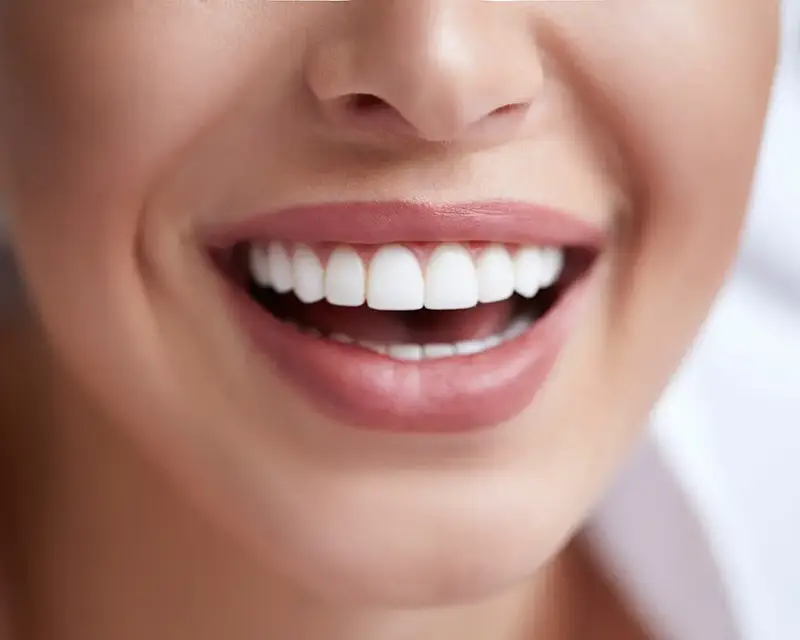
Benefits of Dental Bonding
Dental bonding offers a versatile, affordable, and minimally invasive solution for enhancing your smile with quick and effective results.
- Aesthetic Improvement: Bonding addresses discoloration, small gaps, and chips, offering cosmetic enhancements without extensive treatments.
- Cost-Effective: Dental bonding is more affordable than other cosmetic procedures, providing a budget-friendly option.
- Quick and Painless: The procedure is completed in one appointment with minimal preparation and no need for anesthesia, ideal for individuals with dental anxiety.
- Minimally Invasive: Bonding preserves the natural tooth structure with no enamel removal, only slight etching of the surface.
- Reversible: If damaged or worn, bonding can be easily repaired or replaced without major tooth reduction and at a low cost.
- Versatility: Bonding effectively addresses various cosmetic concerns, from chips and cracks to discoloration and gaps, providing a solution for single or multiple teeth.
Cost of Dental Bonding in Scottsdale, AZ
Cost of Dental Bonding in Scottsdale, AZ
The cost depends on the extent of the work, the dentist’s expertise, and the binding itself. At PV Smiles, cosmetic bonding costs $100 to $400 per tooth.
Factors that influence the price include:
- Whether bonding treats minor chips or extensive work.
- The number of teeth being treated.
- The location of the clinic.
To make cosmetic bonding accessible, we offer payment and membership plans and collaborate with your insurance provider.
Dental Bonding Vs. Veneers
Veneers are shells covering the teeth’ surface. They involve removing some enamel. They are more durable than bonding but more expensive. Bonding is a quick, noninvasive, and more affordable option. Veneers are for large gaps, decaying teeth, or severe stains, while bonding is ideal for minor corrections.
Dental Bonding Vs. Crowns
Crowns cover the entire tooth. They are a prudent option if the tooth is structurally compromised and provide strength and durability. The procedures require a minimum of two visits. Bonding is less invasive and cost-effective for smaller issues. It is painless and completed in one visit.
Dental Bonding Vs. Teeth Whitening
Whitening improves the brightness of teeth. It doesn’t address issues like chips or gaps. Bonding is used along with whitening for a complete smile makeover. Whitening may be recommended before bonding to ensure a consistent color match.

Concerns Regarding Dental Bonding and Alternatives
While dental bonding offers a quick, cost-effective solution for enhancing your smile with minimal invasiveness, it also has some limitations in terms of durability and susceptibility to staining.
Durability: Bonding is prone to chipping, wear, and cracking, especially for individuals who grind their teeth or bite their nails. Porcelain veneers or crowns provide a more durable, long-lasting solution.
Staining: Bonding is more susceptible to staining. For those concerned about discoloration, porcelain veneers or whitening treatments are better options, as porcelain is stain-resistant and maintains its brightness.
Limited Aesthetic Potential: Bonding lacks the transparency and reflectiveness of ceramic veneers, resulting in less lifelike quality. Veneers provide superior aesthetic results with greater longevity.
Maintaining Bonded Teeth
- Oral Hygiene: Brush and floss daily with non-abrasive toothpaste to prevent decay and staining.
- Avoid Stain-Causing Foods and Habits: Limit coffee, tea, red wine, and tobacco to maintain teeth whiteness.
- Routine Dental Visits: Regular check-ups ensure the bonding’s durability and allow for repairs or touch-ups.
- Avoid Hard Foods: To prevent chipping, avoid biting into ice, candy, or hard nuts.
- Wear a Mouthguard: Use a mouthguard to protect bonded teeth from chipping or cracking.
Signs the Bonding Needs Replacement
- Chipping or Cracking: Bonding can chip or crack, affecting aesthetics and tooth function.
- Discoloration: Bonded areas may become stained or discolored, no longer matching the surrounding teeth.
- Rough Texture: The surface of the bonded tooth may feel rough or uneven over time.
- Loosening or Falling Out: Bonding can loosen or detach from the tooth, requiring repair or reapplication.
The Solution to Bonding Problems
Dental bonding lasts 3 to 10 years, depending on oral hygiene, lifestyle, habits, and extent of bonding treatment. For minor chips or cracks, the dentist smooths the bonding material and applies resin to restore the appearance and function.
For discoloration or a rough texture, the surface is polished, or the stained areas are removed. If the bonding loosens or detaches, new material is applied to secure it. Dental check-ups prevent further damage and maintain the aesthetics and oral health.

Choosing a Dentist for Dental Bonding in Scottsdale, AZ
The appropriate dentist can affect the success of bonding treatment. Verify the dentist’s qualifications and experience. Look for dentists who are members of esteemed organizations, such as the American Academy of Implant Dentistry (AAID).
Read client reviews and testimonials. Look for feedback on their bonding experience, the quality of care, results, and overall satisfaction. Ask for before-and-after galleries. Review similar cases to check the quality of the dentist’s bonding work.
Questions to Ask During a Consultation
A consultation is your opportunity to assess the dentist’s approach. Ask questions like:
- What is your experience with dental bonding?
- Can I see before-and-after photos?
- What bonding material do you use?
- How long do you expect the bonding to last in my case?
- What care do you recommend for bonded teeth?
Transform Your Smile with Dental Bonding at PV Smiles
Cosmetic dental bonding offers an affordable, noninvasive, and effective solution for minor tooth issues. PV Smiles has 28+ years of experience and 1000+ returning clients. We provide top-tier cosmetic dentistry services. Whether you seek to repair a chipped tooth, close a gap, or improve the appearance of your smile, bonding may be the ideal solution.
Contact PV Smiles in Scottsdale, AZ, if you’re ready to enhance your smile with dental bonding. Call us today to schedule your consultation and take the first step toward a brighter smile!
FAQ's
Dental bonding is used to repair chipped or cracked teeth, improve the appearance of discolored teeth, close gaps between teeth, change the shape of teeth, and protect a portion of the tooth’s root that has been exposed due to gum recession.
The dental bonding procedure typically takes 30 to 60 minutes per tooth. Since it is usually completed in a single visit, it is a quick and convenient option for improving your smile.
Dental bonding can last between 3 to 10 years, depending on the location of the bonded tooth, your oral habits, and how well you take care of your teeth. Good oral hygiene and avoiding habits like biting nails or chewing on hard objects can help extend its lifespan.
Dental bonding is generally a painless procedure and usually does not require anesthesia unless it is being used to fill a cavity. The process involves applying a composite resin to the tooth, which is then hardened and shaped without causing discomfort.
Bonded teeth do not require special care beyond good oral hygiene practices, such as brushing twice a day, flossing daily, and visiting the dentist regularly. However, avoiding staining foods and drinks, and not using your teeth to open packages, can help maintain the appearance of the bonded teeth.
Smile Design
Transform your smile with expert care, from personalized consultations to complete smile makeovers. At PV Smiles, we specialize in creating stunning, confident smiles without the need for outside referrals – your perfect smile is our priority
Related Services